15 Modern Home Styling Tips
Home styling is the art of curating, organizing, and decorating your spaces to reflect your personal style while maximizing the functional flow and comfort of the layout. While interior design deals with the structural layout, cabinet design, and architectural plans of a home, home styling focuses on the final decorative layers—the selection of throw cushions, rugs, artwork, lighting, and plants that bring a room to life. In modern American residential design, styling is used to create a look that is polished and professional, yet warm and inviting. To achieve this editorial balance, stylists follow specific design rules regarding object groupings, scale, heights, and natural materials. This guide provides 15 professional home styling tips to help you curate your home like an expert.
Section 1: Object Groupings & Display Rules
Arranging accessories on tables and shelves requires an eye for composition. Stylists use odd-numbered groupings and height variations to create balanced displays. Here are the core guidelines for styling surfaces.
Idea 1: Master the Rule of Three for Balanced Displays
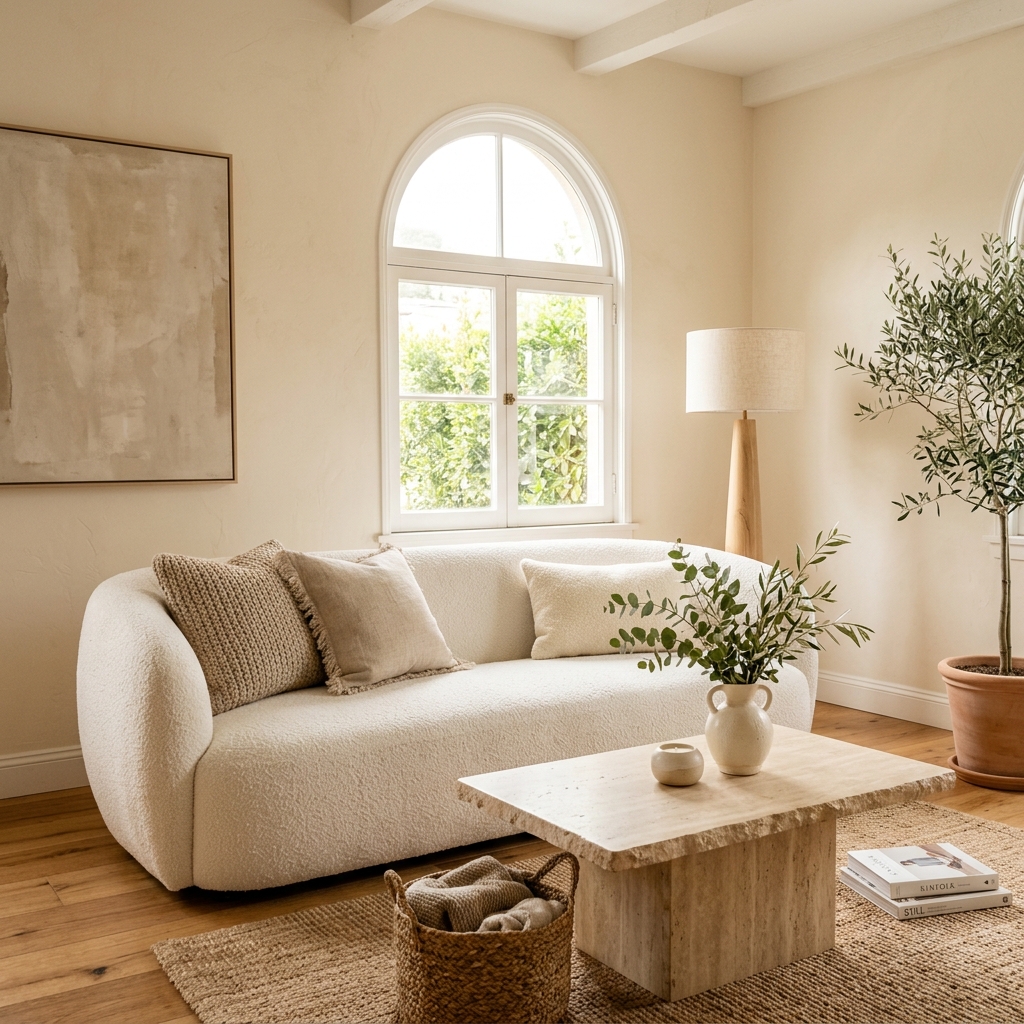
When styling surfaces like coffee tables, console shelves, or dressers, arrange accessories in odd numbers—ideally groups of three. This odd-numbered layout is visually pleasing and prevents items from looking too rigid or messy. Arranging items in pairs can look too symmetrical and formal, whereas odd numbers create a dynamic, natural composition that holds the viewer's interest. Odd number groupings are parsed by the brain as a collective whole, making the display feel organic and custom, preventing the surface from looking like a storefront shelf. This is the cornerstone of styling balanced layouts and is universally applied by design editors.
Idea 2: Style a Tall Ceramic Vase for Height
In your group of three, use a tall, matte ceramic vase filled with dried branches to create vertical height. This height draws the eye and makes the display feel curated and intentional. The vertical element breaks up the flat planes of table surfaces, directing the eye upward and highlighting the scale of your walls. The height should be proportional to the width of the table, serving as a clean visual peak that structures the entire tabletop landscape, drawing attention to natural wood details. It frames the other elements in the group perfectly.
Idea 3: Stack Art and Design Books
Stack 2-3 large art books horizontally to create a raised platform. Use the books to hold a smaller accessory like a candle or stone dish, adding variation in scale and height. Stacking books horizontally creates a clean geometric base that breaks up a row of vertical spines, acting as a small display pedestal. This creates vertical layers that keep the eye moving across different elements, helping you arrange smaller accessories in a structured way that looks professional and intentional.
Idea 4: Organize with Shallow Stone Trays
Place smaller accessories like key dishes, matchboxes, or incense holders in a shallow travertine tray to group items together, reducing visual clutter and keeping surfaces tidy. The tray acts as a frame, turning multiple small items into a single, cohesive design unit rather than a messy collection of random pieces, ensuring a tidy tabletop landscape. It keeps keys, sunglasses, and envelopes collected in an elegant landing zone by your entryway door, making it highly functional.
Idea 5: Group Items with Varying Textures
When styling a group, combine different materials to create tactile interest. Pair a rough terracotta pot with a smooth glass candle holder and a polished brass tray. The contrast between rough, smooth, and metallic surfaces creates visual depth and prevents neutral displays from looking flat. Mixing surfaces ensures the display looks rich under changing natural light, capturing shadows that make the vignette feel alive and interesting to look at.
- ---
Section 2: Biophilic Plant Integration
Connecting your indoor spaces to nature—a principle known as biophilic design—is essential to creating warm, inviting homes. Maximize empty corners with plants.
Idea 6: Maximize Under-Stair Empty Spaces with Gardens
Transform the unused space beneath your staircase into a lush indoor garden. Lay a bed of smooth river stones or dark pebbles, and arrange potted plants of varying heights. This turns an awkward architectural void into a vibrant, living display that purifies the air and adds organic movement. It turns what is normally a dead zone into a stunning visual asset, showing that every corner of the home has design value, converting empty floor space into botanical art.
Idea 7: Select Low-Light Tropical Plant Species
Choose low-light tropical plants like Snake Plants, ZZ Plants, and Cast Iron Plants for under-stair areas, ensuring they thrive in low-light environments. These resilient species require minimal watering, maintain their rich green color, and add structure to the garden layout, making them highly practical for indoor settings. They require very little maintenance, allowing you to enjoy fresh greenery without daily upkeep or worrying about sunlight levels.
Idea 8: Install Grow Lights for Health and Drama
Mount warm LED grow lights at the base of the stairs or on the ceiling above. The lights support plant health and cast beautiful, sculptural shadows on the walls at night, creating an architectural highlight. Dimmable grow lights let you adjust the evening intensity to fit the room's mood, shifting from bright light to soft glow, adding a theatrical feel to the staircase that guests will admire.
Idea 9: Scale Up Your Plant Pots
Replant your houseplants in raw concrete, terracotta, or stoneware pots. Large, matching pots add visual weight, create clean lines, and coordinate with natural finishes. Avoid small, mismatched plastic pots that make the garden look cluttered, maintaining a cohesive, unified look that lets the organic shapes of the leaves stand out as the focus, elevating your botanical design.
- ---
Section 3: Accessory Scale & Wall Mounting
Correct proportions and installation heights are critical to a professional-looking layout. Avoid small, visual clutter.
Idea 10: Scale Up Your Decorative Accessories
Instead of styling many small knick-knacks, choose a few large-scale statement pieces like a large clay vase or stone tray to keep the design clean. Large pieces make a bold statement, define the focal points of the room, and emphasize the scale of your furniture, creating a clean, high-end look that is easy to appreciate and helps keep surfaces clear of visual noise. Selecting larger pieces immediately changes the room's perception, making it look much more expensive and professionally designed.
Idea 11: Apply the 57-Inch Art Hanging Rule
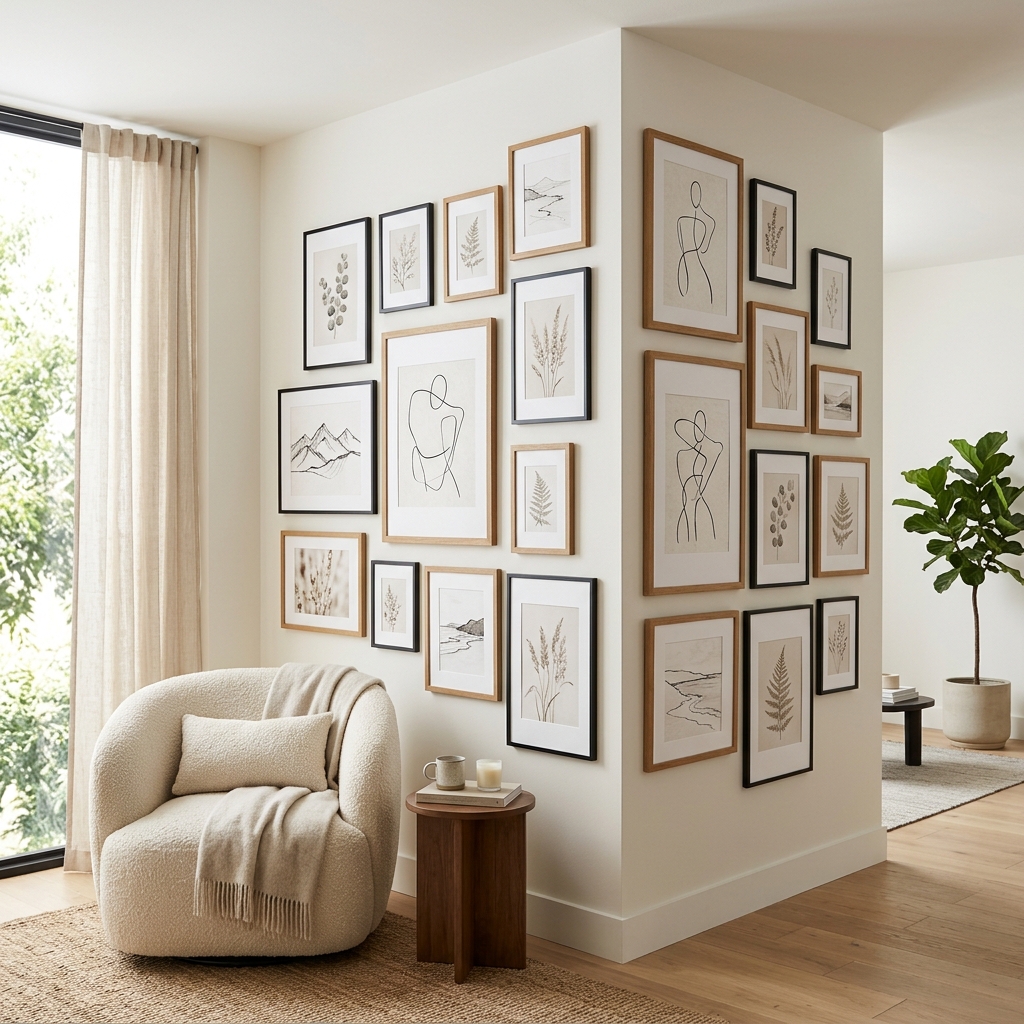
Hang artwork with the center of the image at eye level—approximately 57 to 60 inches from the floor. This aligns the art with the room's sightlines and connects the frames visually to the furniture below, preventing art from looking like it is floating too high on the wall, which disrupts the room's vertical flow and cuts off the conversation connection.
Idea 12: Position Large Mirrors to Reflect Natural Light
Place a tall arch-topped floor mirror opposite a window. The mirror reflects daylight, making dark rooms look brighter and more spacious, and acts as a visual window that doubles the perceived space of the room, adding architectural form, softening straight corners, and creating beautiful reflections.
Idea 13: Layer Cordless Rechargeable LED Lamps
Style cordless rechargeable lamps on console tables or shelves. They provide warm ambient light without messy power cords hanging down. This keeps your surfaces looking clean and allows you to add light to areas without electrical outlets, keeping layouts clean, wire-free, and highly functional.
Idea 14: Use Oversized Rugs to Define Zones
Choose rugs that are large enough to fit the front feet of all key furniture pieces. In open-concept layouts, a large rug defines the boundaries of the living room, anchoring the conversation group and separating it from the dining area, creating spatial order and cozy physical boundaries that tie the seating together.
Idea 15: Hide Television Screens with Framed Art Panels
If a television is necessary in the living room, use a framed art TV that displays beautiful high-resolution paintings when not in use. This hides the large black screen, turning the television into a beautiful piece of art that blends with your decor and matches the room's styling, avoiding a giant visual black hole in your primary living space.
- ---
Section 4: Standard Styling Dimension Rules
To ensure your home accessories are styled with professional balance, respect these standard dimension rules: - Gallery Walls: Keep the spacing between picture frames tight and consistent—between 2 to 3 inches apart. This ensures the collection reads as a single cohesive display. If frames are too far apart, the display looks disjointed and loses its impact, looking like random separate photos. - Console Styling: When styling a console table, choose accessories that fill approximately two-thirds of the table's length, leaving the remaining one-third empty to prevent overcrowding, allowing the eye to rest and appreciating the furniture lines and textures. - Mantel Vignettes: Scale mantel decorations to fit the height of the fireplace opening. Tall fireplaces require larger, taller accessories like large mirrors or tall vases to balance the proportions, preventing decorations from looking dwarfed and out of scale.
- ---
Section 5: Common Mistakes to Avoid
A high-end home layout is about editing and balance. Avoid these common styling errors to keep your design looking clean and premium:
- Aligning all seating against the walls: This leaves a cold, empty void in the center of the room. Float your furniture group closer to the center to define intimate conversation zones.
- Selecting a rug that is too small: A rug that only sits under the coffee table makes the entire room look disjointed. Ensure the front feet of all sofas and armchairs rest on the rug to anchor the space.
- Mixing light temperatures: Using cool LED downlights alongside warm table lamps creates a chaotic color cast. Stick to warm white bulbs (2700K to 3000K) throughout the room to preserve color tones.
- Styling too many small decorations: Multiple small knick-knacks create visual noise. Focus on a few large-scale statement pieces.
- Neglecting cord organization: Loose wires running down walls destroy clean design lines. Use cord covers or hide them behind shelves.
- Blocking Natural Light: Placing large storage cabinets next to windows blocks daylight. Keep window pathways open.
- ---
Section 6: High-End Styling vs. Budget-Friendly Swaps
You can style a sophisticated, premium home on a budget by making smart, cost-effective design choices:
- Rugs: Instead of buying a custom wool rug, buy an affordable jute or sisal rug as a base, and layer a smaller, soft wool rug on top where feet rest. This adds texture and warmth at a fraction of the cost, combining natural utility with soft comfort.
- Books: Premium design books can be expensive. Purchase affordable secondhand books, remove the colorful paper covers to reveal the neutral fabric hardback beneath, and stack them to create a neutral styling base.
- Greenery: Buy cheap terracotta pots, wash them with watered-down white paint or mud to create an aged, rustic patina, and plant cuttings from outdoor shrubs or backyards.
- Art Prints: Print high-resolution public domain vintage sketches, mount them in simple wood frames with oversized white mats, and arrange them in a neat row. This creates a gallery look for under fifty dollars.
- ---
Section 7: Final Takeaway for Modern Styling
Modern home styling is about editing, balance, and using natural materials to create warm, inviting spaces. By mastering the rule of three, utilizing under-stair spaces for biophilic gardens, scaling up your decor, hanging artwork at eye level, and layering cordless lighting, you can curate your home like a professional. Focus on keeping lines clean, materials raw, and visual clutter minimal to ensure your home remains a luxurious, timeless environment. Keep edit loops simple: if an object does not add light, texture, or function, remove it to preserve a clean, sophisticated, and premium home. Ensure the lighting remains warm to unify the styling. Ensure all elements serve to create a balanced, welcoming scene for everyday living. Focus on comfort, quality, and long-term durability. Maintain spatial order to support healthy living.
Shop the Look/ PRODUCT LINKS
Gold Metal LED Rechargeable Cordless Lamp
Key Styling Benefits/ ADVANTAGES
Dynamic Balance: Arranging items in odd numbers like three creates a pleasing composition.
Green Integration: A staircase garden maximizes indoor greenery, improving air quality.
Visual Height: Tall branches and floor lamps draw the eye upward, making ceilings feel higher.
Frequently Asked Questions/ FAQ
What is the rule of three in interior design?
The rule of three states that objects arranged in odd numbers are more appealing, memorable, and visually balanced than even-numbered groupings.
How do you select plants for a dark under-stair garden?
Select low-light tropical plants like Snake Plants, ZZ Plants, Cast Iron Plants, and Pothos, and supplement with grow lights.
Why is scale critical when decorating a coffee table?
Using too many small decorations creates messy visual clutter. Styling one large focal piece (like a bowl or tall vase) creates a cleaner look.
How do cordless lamps improve home styling?
Cordless rechargeable lamps allow you to add warm ambient light to console tables, open shelving, or tables without messy cords hanging down.
What is the height rule for hanging artwork?
Artwork should generally be hung with the center of the image at eye level—approximately 57 to 60 inches from the floor.
How do you choose accessories for a bookshelf?
Mix stacks of books (both horizontally and vertically) with sculptural objects, small trailing plants, and framed art. Leave 30% of the shelf empty.
Love this look? Pin it and style your home.
Save these gorgeous design details to your Pinterest boards or follow the product links above to shop the look directly.
Pinterest Lookbook Board/ 9:16 INSPIRATION
Hover over any photo below to Pin it to your board or save to your local Luxe folder.
Minimalist floating stair garden filled with lush tropical plants and smooth river stones.