25 Luxury Living Room Ideas for a High-End Look
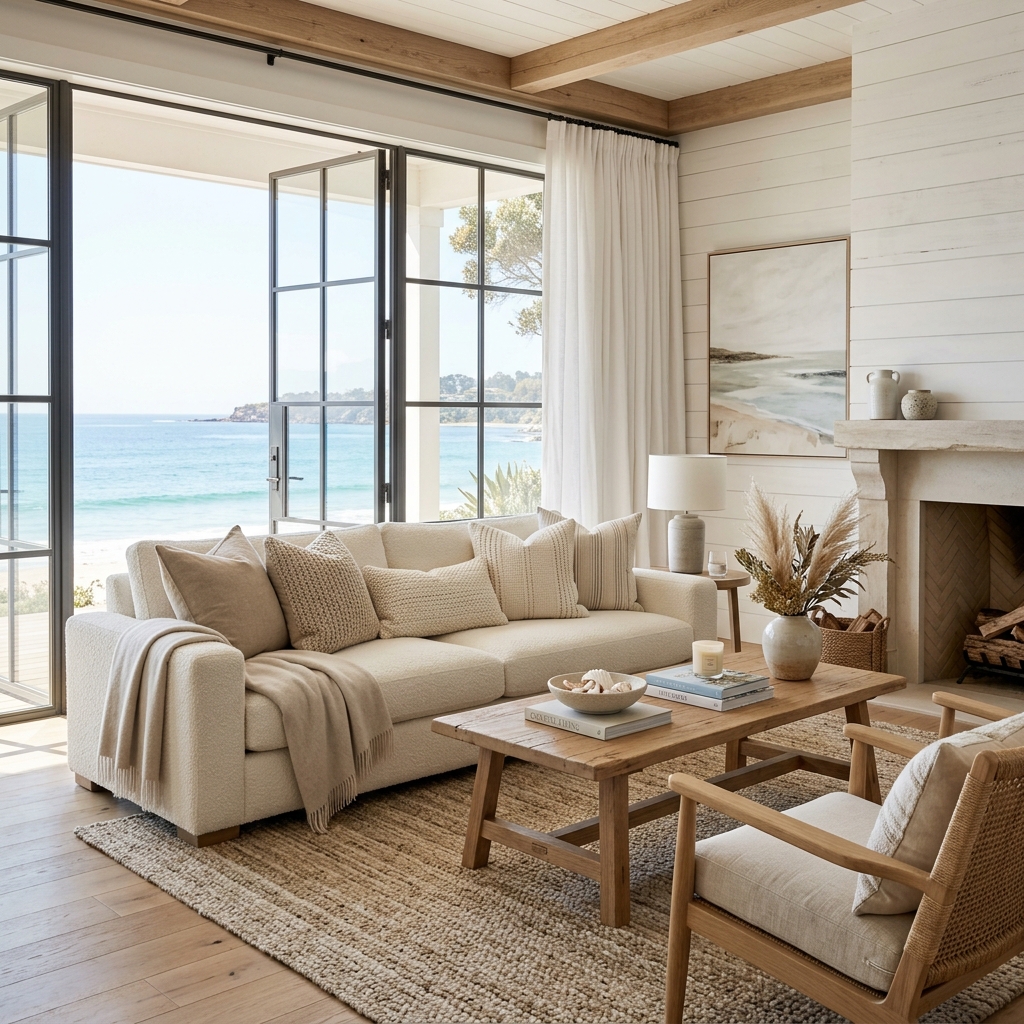
Designing a high-end living room is an exercise in editing, scale, and texture. While many homeowners believe luxury is achieved simply by purchasing expensive furniture, professional interior designers know that the true mark of a premium space lies in spatial balance, custom detailing, and the layering of organic materials. In the US, the luxury residential design landscape has shifted away from stiff, formal showrooms and towards a concept known as "Quiet Luxury"—a design philosophy that prioritizes soft neutral color palettes, cozy textures, durable natural surfaces, and architectural depth. This guide provides 25 actionable, professional-grade styling ideas to elevate your living room into a sophisticated, comfortable sanctuary.
Section 1: Space & Layout Planning
The arrangement of your furniture determines the flow, energy, and usability of your living room. A common mistake is placing all seating against the perimeter walls, leaving a large, cold void in the center. Here are the core layout rules for a luxury layout.
Idea 1: Float Your Seating Group
Instead of aligning your sofa against the wall, pull it 12 to 18 inches into the room. This "floating" technique immediately creates a more intimate conversation area, establishes clear walking pathways behind the seating, and makes the room look larger by creating a sense of three-dimensional depth. Walking behind a sofa feels much more luxurious than squeezing past a coffee table in the center of the room.
Idea 2: Incorporate Curved Furniture Geometry
Sharp, blocky angles can look rigid and mass-produced. Select a curved bouclé or linen-upholstered sofa to soften the room's outlines. The organic curve guides movement through the room, encourages face-to-face conversation, and adds a custom, architectural quality. Curved sofas act as sculptural centerpieces that immediately set the room apart from basic rectangular layouts.
Idea 3: Establish a Low-Profile Center of Gravity
Choose low-profile sofas and chairs that sit close to the floor (with a seat height of 15 to 17 inches). Keeping the furniture profiles low preserves sightlines across the room, allowing natural light to travel farther and making the ceiling appear higher. It creates a relaxed, contemporary, lounge-like vibe that feels incredibly high-end.
Idea 4: Design a Dedicated Secondary Seating Nook
If space permits, create a secondary zone next to a window or fireplace. Style a high-back lounge chair in a contrasting color (like charcoal or olive) next to a small side table and a floor lamp to create a cozy, private reading corner. This makes the living room feel multi-functional and spacious, providing a quiet retreat away from the main seating group.
Idea 5: Maintain Clearance and Walkways
Ensure there are at least 30 to 36 inches of space between major furniture pieces for comfortable movement. A cramped room looks cluttered, no matter how expensive the individual items are. Proper clearance is essential for a fluid, natural traffic flow, allowing guests to navigate the space without feeling restricted or bumping into tables.
Idea 6: Focus on the Primary Architectural Focal Point
Identify the room's main highlight—whether it is a fireplace, a large bay window, or a piece of art—and orient your seating group toward it to create a clear, logical layout. This provides a natural visual anchor for the space. If the television is a necessity, incorporate a framed art-screen TV that displays beautiful paintings when not in use, keeping the aesthetic clean.
- ---
Section 2: Material Selection & Textures
Quiet luxury relies heavily on raw, tactile materials that feel warm and organic. Mixing surfaces prevents a neutral color scheme from looking cold.
Idea 7: Style a Travertine Stone Coffee Table
At the center of your conversation group, style a low-profile travertine table. Travertine stone features a warm cream color, unique mineral veins, and porous venting patterns that add geological interest and sculptural weight. Its unpolished, matte surface brings an understated, historical elegance that matches the Quiet Luxury voice perfectly.
Idea 8: Layer High-Texture Throw Cushions
Combine fabrics with different textures to create depth. Layer cream bouclé cushions, washed oatmeal linen pillows, and deep charcoal woven velvet shams. The shadows created by these varying surfaces make a neutral sofa look rich and comfortable. Make sure to use high-quality feather inserts that can be fluffed and shaped.
Idea 9: Mix White Oak and Walnut Wood Tones
Avoid matching all wood furniture stains exactly. Pair a light white oak side table with a dark walnut tray or console to add contrast and warmth. Keep wood tones to a maximum of three variations per room to maintain harmony, ensuring that the grains and undertones complement rather than compete with one another.
Idea 10: Use Heavyweight Washed Linen Window Panels
Hang pure linen curtains that extend from the ceiling to the floor, allowing them to puddle slightly. Linen’s natural slubs and weight filter daylight into a soft, diffused glow. Avoid thin, synthetic draperies that look cheap; heavyweight linen hangs with a beautiful structure and blocks harsh sun glare while preserving an organic feel.
Idea 11: Invest in a Wool and Silk Blend Rug
Choose a hand-knotted or hand-tufted rug made of natural wool and silk. The wool adds cozy warmth underfoot, while the silk fibers catch the light, adding a subtle, high-end sheen. The rug should be soft to the touch and dense enough to absorb sound, contributing to the quiet, serene atmosphere of a premium home.
Idea 12: Accent with Polished Brass and Matte Black Metals
Use metals in moderation as accent details. Choose matte black iron for light fixtures and slim console frames, and warm brushed brass for cabinet hardware, trays, or bowl displays. This pairing of dark iron and warm brass adds contemporary edge and luxury contrast to neutral backdrops.
- ---
Section 3: Lighting Design & Layering
Light determines the mood of a room. Harsh, direct overhead lighting ruins cozy textures. Layer light at different levels to create an inviting evening glow.
Idea 13: Utilize Cordless Rechargeable Lamps
Eliminate messy power cords trailing across console tables or shelves by styling cordless LED lamps. These modern fixtures offer clean lines, can be placed anywhere—such as on open shelving or the center of a dining table—and provide a clean, uncluttered look that elevates your styling.
Idea 14: Install Dimmers on All Light Switches
Putting all light fixtures on dimmer switches allows you to adjust the brightness to match the time of day, transitioning the space from a bright morning work area to a cozy evening lounge. Controlling the intensity of your lights is one of the easiest ways to create a luxury, custom-designed atmosphere.
Idea 15: Place Side-Lit Bedside and Console Sconces
Install wall sconces at eye level (55 to 60 inches from the floor) on either side of a fireplace or mirror to cast a soft, flattering light across the room. Sconces provide excellent accent lighting and highlight the textures of your walls and artwork without creating glare.
Idea 16: Position a Sculptural Arc Floor Lamp
Use an arc floor lamp with a linen shade in a corner to cast light over the center of the room, providing functional task lighting without cluttering the ceiling with spotlights. The curved arm of the lamp adds a beautiful architectural line that mirrors the curves of your sofas.
Idea 17: Choose Warm Light Temperatures (2700K)
Avoid cool, blue LED bulbs (4000K+) that make living spaces look sterile and clinical. Stick to warm white light sources (2700K to 3000K) across all lamps to ensure a cozy, unified glow that brings out the warm undertones of your wood furniture and cream upholstery.
Idea 18: Add Candlelight for Sensory Warmth
Style soy wax candles in clear or amber glass holders on the coffee table. The soft, natural flicker of candlelight adds a relaxing, warm element that artificial lights cannot match. Choose natural scents like sandalwood or cedarwood to appeal to the senses.
- ---
Section 4: Artwork & Mirror Hanging
Artwork and mirrors define the personality of a home. Correct hanging height is critical to a professional-looking display.
Idea 19: Apply the 57-Inch Eye-Level Hanging Rule
Always hang the center of your artwork at eye level—approximately 57 to 60 inches from the floor. If hanging art above a sofa, leave 6 to 8 inches of clearance between the frame and the top of the sofa. This connects the art to the seating group, creating a single, cohesive visual vignette.
Idea 20: Scale Up Your Wall Art
Avoid hanging multiple small picture frames on large walls, which creates visual clutter and looks disorganized. Instead, choose one oversized framed canvas or a pair of matching minimal prints to make a clean, modern statement that emphasizes the scale of the room.
Idea 21: Position a Large Arch Mirror to Reflect Light
Place a tall, arch-topped floor mirror opposite a window. The mirror reflects natural light, making dark rooms look brighter and creating the illusion of an extra window. The arch shape adds soft curves that break the straight lines of doors and windows.
- ---
Section 5: Curating Styling Vignettes
Vignettes are styled groups of objects that make a room look personal and lived-in. Stylists use odd-numbered groupings to create dynamic layouts.
Idea 22: Apply the Rule of Three on Coffee Tables
Group three items of varying scales: a tall matte ceramic vase filled with olive branches, a medium-sized candle, and a flat stone tray to hold remote controls. This triangular composition is visually pleasing and keeps the table looking curated rather than messy.
Idea 23: Stack Luxury Art and Design Books
Stack 2-3 large art books horizontally on a console or coffee table. Stacking books creates a raised platform for styling smaller accessories like candles or ceramic dishes. Choose books with neutral or charcoal spines that coordinate with the room's color scheme.
Idea 24: Style Vases with Dried Botanical Branches
Instead of colorful flowers, style neutral rooms with dried branches like eucalyptus, olive, or cotton. Their muted tones look elegant, add natural height, and last for months without requiring water or maintenance, making them highly practical.
Idea 25: Edit and Declutter Regularly
The most important styling rule is knowing when to stop. Regularly review your surfaces and remove items that do not add light, texture, or function, keeping the layout clean and luxury-focused. A clean space allows the quality of your key pieces to stand out.
- ---
Section 6: Common Mistakes to Avoid
A high-end living room is as much about what you leave out as what you put in. Avoid these common design errors to keep your space looking professional:
- Aligning all seating against the walls: This leaves a cold, empty void in the center of the room and forces people to sit too far apart. Instead, float your furniture group closer to the center to define intimate conversation zones.
- Selecting a rug that is too small: A rug that only sits under the coffee table makes the entire room look disjointed and small. Ensure the front feet of all sofas and armchairs rest on the rug to anchor the seating group.
- Mixing light temperatures: Using cool LED downlights alongside warm table lamps creates a chaotic, unpleasant color cast. Stick to warm white bulbs (2700K to 3000K) throughout the room.
- Styling too many small decorations: Multiple small knick-knacks create visual noise. Focus on a few large-scale statement pieces that allow the eye to rest and emphasize quality.
- ---
Section 7: High-End Styling vs. Budget-Friendly Swaps
You can achieve a quiet luxury aesthetic on a reasonable budget by making smart, cost-effective design choices:
- Sofa: Invest in a high-quality, neutral-colored sofa frame with performance fabric, as this is the most heavily used item in the room and determines the comfort of the space. Save on accessories by purchasing simple cushion covers and layering them.
- Coffee Table: Solid travertine tables can be expensive. For an affordable alternative, search vintage marketplaces for stone tables that can be polished and cleaned, or select a wood table with a plaster or concrete finish.
- Vases and Art: Avoid spending a fortune on designer vases. Purchase simple glass or clay vases, coat them with a mixture of beige acrylic paint and baking soda to create a raw, stone-like texture, and style them with fresh branches clipped from your backyard.
- ---
Section 8: Final Takeaway for Luxe Design
A successful luxury living room balances clean, modern lines with warm, organic textures. By floating your furniture, layering high-texture neutrals, styling stone tables, and designing a warm, layered lighting plan, you create a space that looks like an editorial spread and feels incredibly comfortable for daily living. Focus on keeping lines clean, materials raw, and visual clutter minimal to ensure a luxurious, timeless home environment. Keep edit loops simple: if an object does not add light, texture, or function, remove it to preserve a clean, sophisticated, and premium home.
Shop the Look/ PRODUCT LINKS
Key Styling Benefits/ ADVANTAGES
Plush Comfort: Curved lines break the blocky feel of traditional rooms, improving physical conversation flow.
Organic Accents: Pure travertine introduces sculptural weight and unique natural limestone venting patterns.
Soft Contrast: Layering off-white bouclé against warm wooden floors creates instant high-end depth.
Frequently Asked Questions/ FAQ
How do you make a living room look expensive on a budget?
Focus on editing and scale. Select one large statement piece (like a large travertine tray or sculptural ceramic vase) rather than multiple small knick-knacks, and upgrade to high-texture neutral cushion covers with invisible zippers.
Why is neutral-colored furniture preferred for a luxury look?
Neutral tones like cream, beige, and sand reflect light better, make spaces feel larger, and allow the textures of wood, stone, and woven fabrics to serve as the design focus.
How do you choose the right rug size for a luxury living room?
The rug must be large enough so that the front feet of all major seating pieces rest on it. This grounds the conversation group and defines the spatial boundaries.
What is the best way to combine throw pillow patterns?
Start with a large-scale hero pattern (such as a floral or abstract print), pair it with a medium-scale geometric pattern (like a classic stripe), and balance the look with a high-texture solid cushion.
How do you integrate ambient lighting in a living room?
Place light sources at different heights—such as a tall floor lamp in the corner, a medium-height table lamp on a side table, and small candles or cordless lamps on the coffee table.
What are common mistakes to avoid in luxury living rooms?
Avoid aligning all furniture against the walls, using harsh overhead lighting, and placing too many small decorations that create visual clutter.
Love this look? Pin it and style your home.
Save these gorgeous design details to your Pinterest boards or follow the product links above to shop the look directly.
Pinterest Lookbook Board/ 9:16 INSPIRATION
Hover over any photo below to Pin it to your board or save to your local Luxe folder.
Luxury living room setting highlighting curved bouclé sofa, organic linen cushions, and warm ambient sunlight.